


Galería Videos CBJA






























Salud y Bienestar Laboral



Quienes Somos



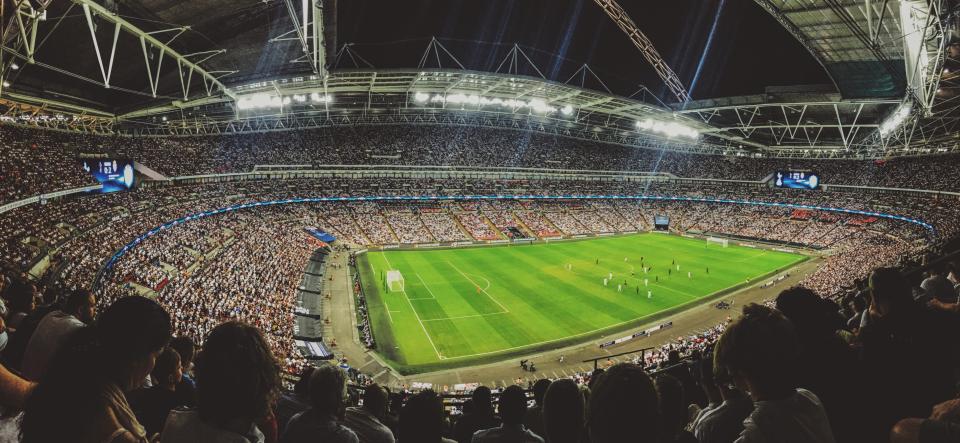
Top 5 most overrated players in the Premier League 2025-26
Determining the most overrated players is subjective and can vary based on individual opinions. However, during the 2019-20 Premier League season, some players received mixed reviews or were considered by some as overrated. Keep in mind that opinions may have changed since then, and these assessments were made at that specific time. Here are a few players who faced varying opinions during the 2019-20 season:
Paul Pogba (Manchester United):
Pogba has been a polarizing figure with some questioning if his performances justified the hype and price tag.
Mesut Özil (Arsenal):
Özil has been a talented player, but there were debates about his consistency and work rate during the 2019-20 season.
Dele Alli (Tottenham Hotspur):
Alli’s performances were inconsistent during the 2019-20 season, leading to discussions about his form and impact on the pitch.


Jesse Lingard (Manchester United):
Lingard faced criticism for his lack of goals and assists during the 2019-20 season, which led to discussions about his role in the team.
Nicolas Pépé (Arsenal):

¡colega!
Pépé, despite being a big-money signing, had moments of inconsistency during his debut season in the Premier League, leading to questions about his overall impact.
It’s important to note that opinions on players can change rapidly based on their performances, and these assessments may not reflect the current sentiments towards these players.

How Artificial Intelligence is Transforming Cybersecurity in 2026
Artificial Intelligence (AI) is revolutionizing various industries, and cybersecurity is no exception. In 2025, we can expect AI to play an even larger role in safeguarding our digital lives. Here’s how:
AI-Powered Threat Detection
AI can analyze vast amounts of data in real-time, identifying potential threats faster and more accurately than traditional methods. By learning from previous attacks, AI can predict and neutralize new, unknown threats before they even occur.
Automated Incident Response
Instead of waiting for a human to step in, AI can autonomously take action during a security breach, isolating affected systems, blocking malicious traffic, and minimizing damage. This reduces response times and improves overall security efficiency.
Predictive Analytics
AI can analyze patterns in data to predict potential vulnerabilities or security breaches before they happen. By using historical data and machine learning algorithms, AI can provide proactive recommendations to organizations on how to bolster their security infrastructure.
Improved Authentication Systems
AI is advancing biometric authentication methods, such as facial recognition, fingerprint scanning, and voice identification. In the future, expect highly secure, multi-factor authentication systems powered by AI to become standard practice.
Advanced Phishing Detection
AI-powered systems are becoming better at identifying phishing emails and fake websites, helping users avoid scams. AI can examine the structure, content, and sender details to detect malicious intent that would be difficult for humans to catch.
As AI continues to evolve, its role in cybersecurity will only become more crucial. Stay safe and stay informed about the latest tech advancements!
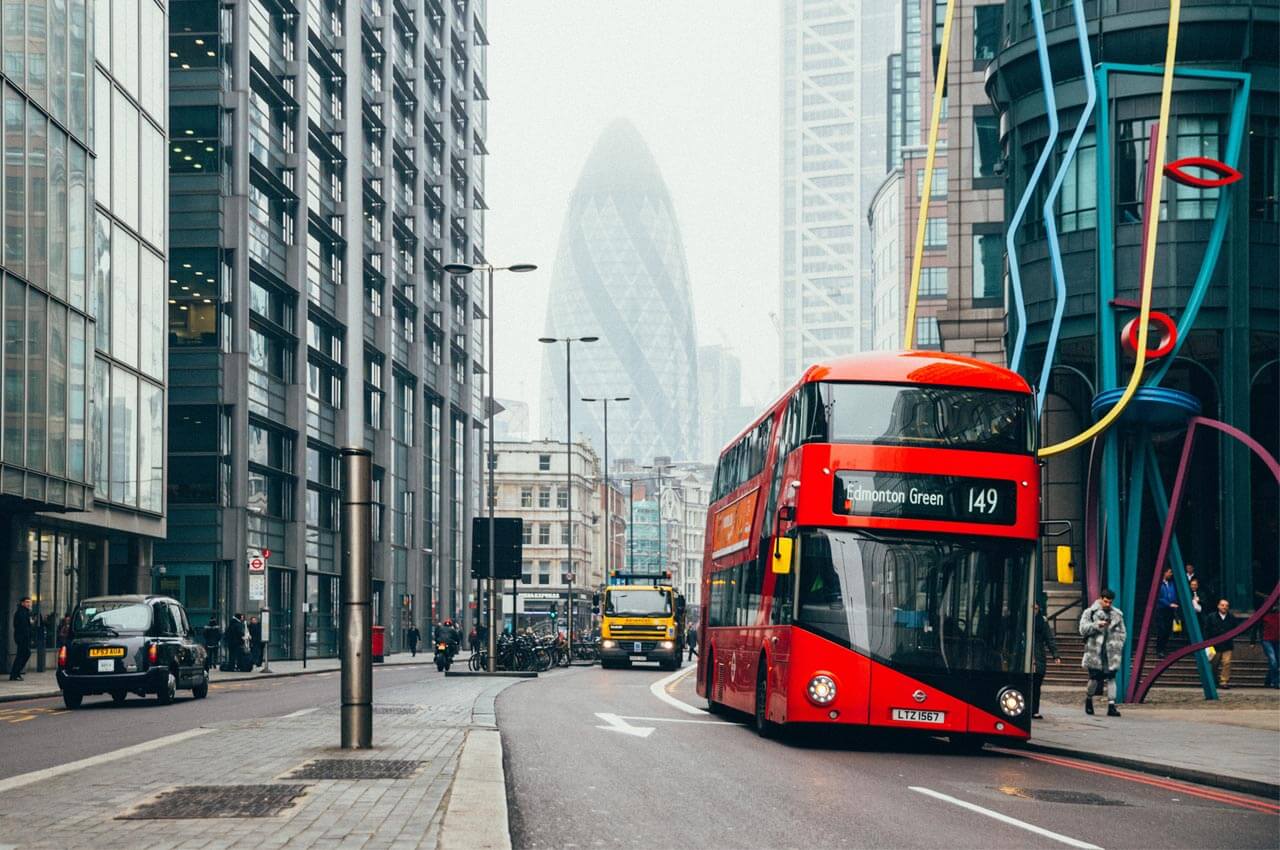
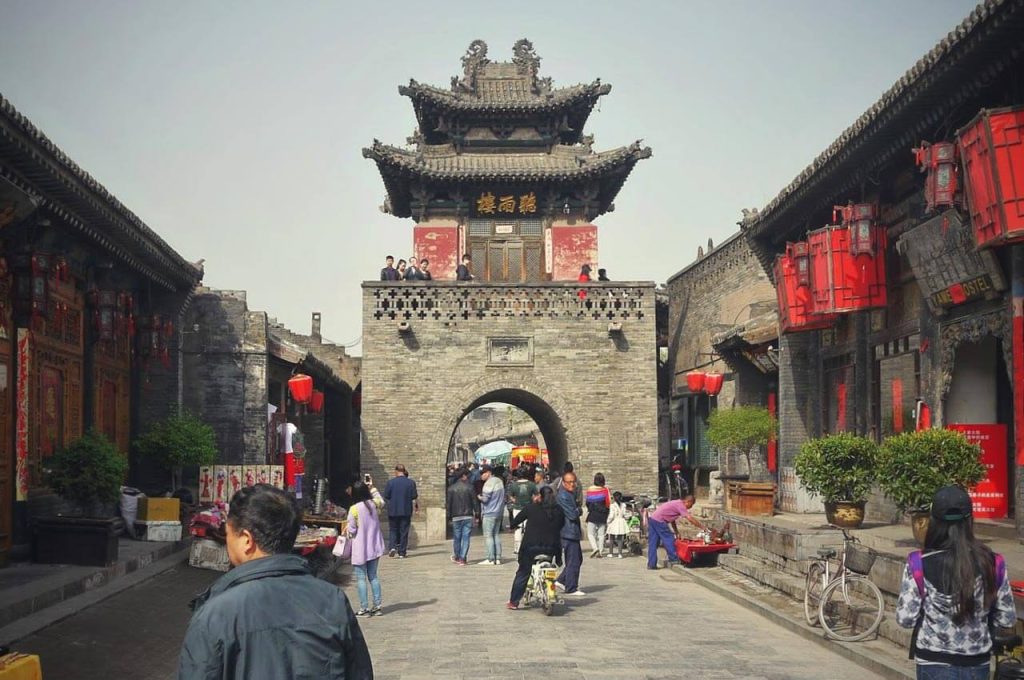
Everything You Wanted to Know About mega city’s
“Mega city” generally refers to a large metropolitan area characterized by significant population density, economic activity, and urbanization. Here’s a comprehensive overview covering various aspects of mega cities:
Read More
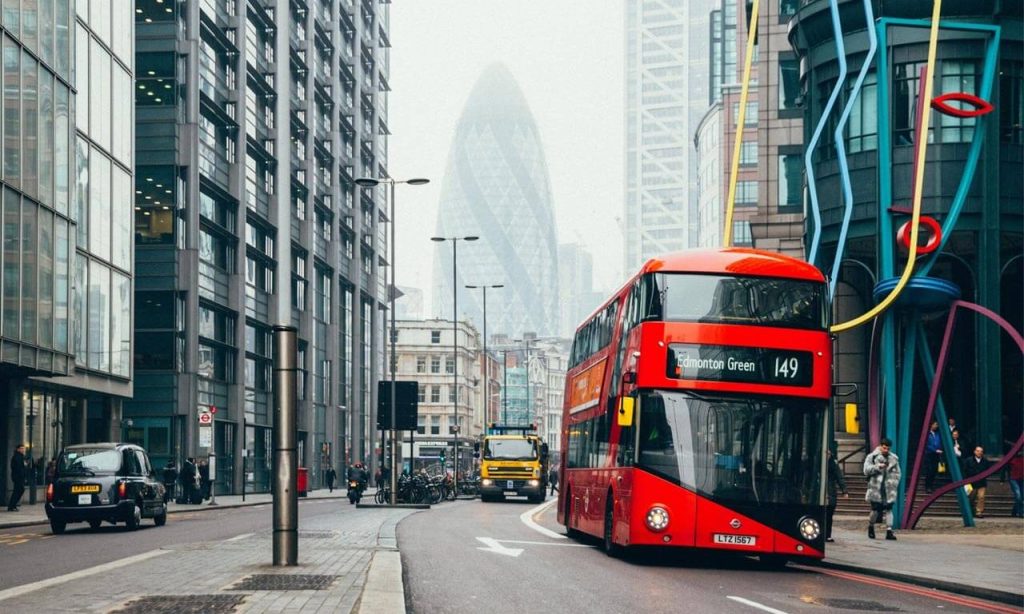
Metro city’s should make road with protection In mind
Designing and constructing roads with safety and protection in mind is a crucial aspect of urban planning. Roads are essential elements of any metropolitan area, and incorporating safety features can significantly enhance the well-being of both pedestrians and motorists. Here are several considerations for building roads with protection in mind:
Pedestrian Infrastructure:
Sidewalks:
Ensure well-maintained and spacious sidewalks separated from the road to provide a safe walking environment.
Crosswalks:
Implement marked crosswalks at intersections to guide pedestrians safely across the road.
Pedestrian Overpasses/Underpasses: Consider constructing overpasses or underpasses in areas with high pedestrian traffic to minimize the risk of accidents.
Cyclist-Friendly Design:
Bike Lanes: Incorporate dedicated bike lanes separated from vehicular traffic to promote cycling safety.
Bike Racks: Install bike racks at strategic locations to encourage cycling and provide secure places for parking.
Traffic Calming Measures:
Speed Bumps: Use speed bumps in residential areas and near schools to reduce vehicle speeds.
Roundabouts: Implement roundabouts instead of traditional intersections to slow down traffic and improve safety.
Accessible Infrastructure:
ADA Compliance:
Ensure that road infrastructure is compliant with the Americans with Disabilities Act (ADA) to accommodate individuals with disabilities.
Accessible Crossings: Install ramps and accessible crossings to facilitate the movement of people with mobility challenges.
Road Lighting:
Streetlights:
Adequate street lighting enhances visibility, reducing the risk of accidents and improving overall safety.
Pedestrian Crosswalk Lighting: Install additional lighting at crosswalks to increase visibility for both pedestrians and drivers.
Green Spaces and Landscaping:
Roadside Greenery:
Incorporate green spaces and landscaping along roads, providing aesthetic value while also promoting a sense of safety.
Tree Planting:
Plant trees strategically to provide shade and improve air quality.
Advanced Traffic Management Systems:
Traffic Signals:
Implement modern traffic signal systems to optimize traffic flow and enhance safety.
Smart Crosswalks:
Use technologies such as smart crosswalks that provide signals or warnings to both pedestrians and drivers.
Emergency Services Access:
Emergency Lanes:
Designate lanes or routes for emergency vehicles to ensure quick and unobstructed access during emergencies.
Public Awareness and Education:
Signage:
Install clear and visible signage to communicate speed limits, pedestrian crossings, and other important information.
Educational Campaigns:
Conduct public awareness campaigns to educate residents about road safety and proper usage of infrastructure.
By incorporating these elements into road design, metropolitan areas can create safer and more sustainable environments for their residents. Collaborative efforts between urban planners, engineers, and the community are essential to ensuring that road infrastructure prioritizes protection and safety.
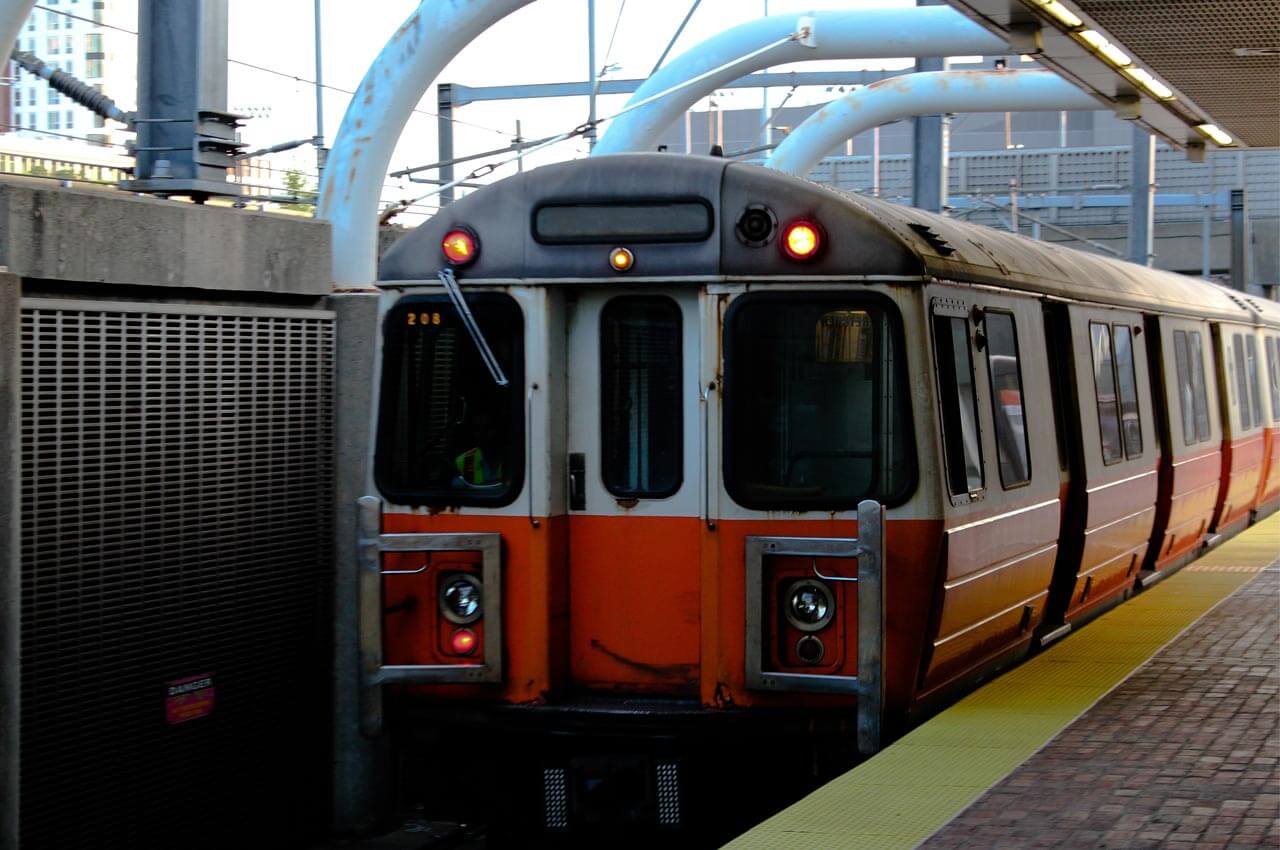
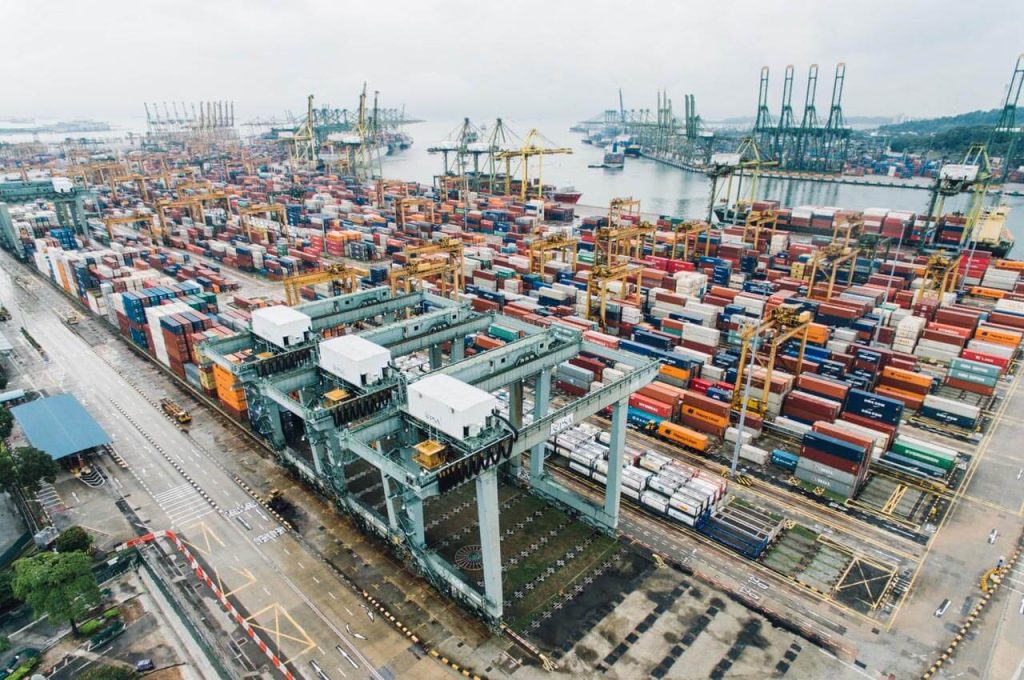
Go For Western Economy With These Pioneering
It seems like your request is a bit unclear. If you are interested in ideas or strategies to contribute to the development of a Western economy, here are some pioneering approaches that could be considered:
Technology and Innovation Hub:
Invest in research and development to foster innovation in technology.
Establish tech hubs or innovation centers to attract startups and entrepreneurs.
Develop policies that encourage the growth of emerging technologies like artificial intelligence, blockchain, and green tech.
Green and Sustainable Initiatives:
Focus on sustainable development and green technologies to address environmental concerns.
Invest in renewable energy sources and promote energy efficiency.
Implement policies that support sustainable practices in industries.
Education and Skill Development:
Prioritize education and skill development programs to create a highly skilled workforce.
Collaborate with industries to tailor educational programs to meet the demands of the job market.
Embrace lifelong learning initiatives to adapt to a rapidly changing economic landscape.
Entrepreneurship and Small Business Support:
Foster a culture of entrepreneurship by providing support for small businesses and startups.
Create incubators and accelerators to nurture new businesses.
Streamline regulations to make it easier for small businesses to thrive.



Infrastructure Development:
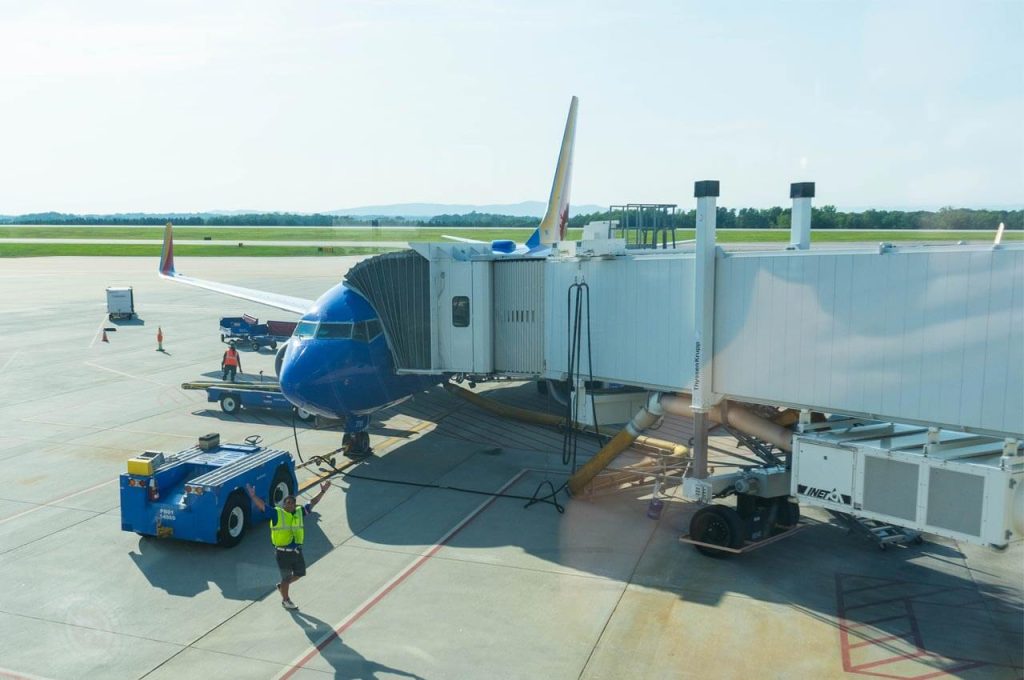
Invest in modern and efficient infrastructure to support economic growth.
Focus on transportation, digital connectivity, and sustainable urban planning.
Implement smart city initiatives to enhance overall quality of life.
Diversification of Industries:
Encourage diversification of industries to reduce dependency on specific sectors.
Attract a range of businesses, from tech companies to manufacturing, to create a resilient economy.
Support the growth of service-oriented industries such as healthcare, finance, and tourism.
Global Trade and Collaboration:
Foster international trade partnerships to expand market access.
Negotiate and strengthen trade agreements to benefit the local economy.
Encourage foreign direct investment (FDI) while protecting national interests.
Inclusive Economic Policies:
Develop policies that address income inequality and promote social inclusivity.
Implement fair labor practices and regulations to ensure worker rights.
Provide social safety nets to support vulnerable populations.
Health and Well-being Initiatives:
Prioritize public health to create a healthy and productive workforce.
Invest in healthcare infrastructure and preventive measures.
Promote mental health and well-being in the workplace.
Digital Transformation:
Embrace digital transformation across industries.
Develop a digital infrastructure to support e-commerce, online services, and remote work.
Invest in cybersecurity measures to protect digital assets.
These approaches aim to create a dynamic and resilient Western economy by leveraging technology, sustainability, education, and a diverse economic base. Implementing a combination of these strategies with careful planning and collaboration can contribute to long-term economic success.